

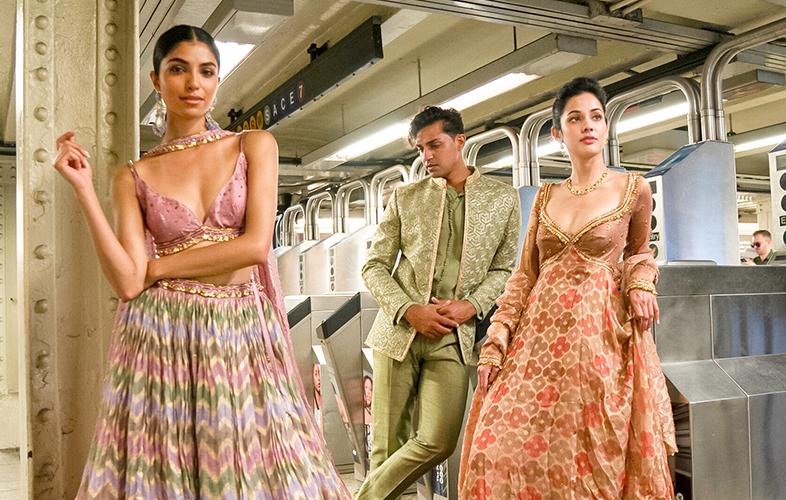
India, a land steeped in rich history and vibrant culture, boasts a unique and captivating fashion scene. From the timeless elegance of sarees to the contemporary flair of fusion wear, Indian fashion offers a diverse tapestry of styles, colors, and textures. This comprehensive guide delves into the essence of Indian fashion, exploring its historical roots, regional variations, and the exciting trends shaping its future.
Upcreativeblogs | attentiveanimal | seobloggings | firstchoicefm | puredelightcandles | EightPatterns | AstroTechEng
A Legacy Woven in Time: A Historical Perspective
The history of clothing in India dates back millennia. Early evidence points to the use of natural materials like cotton and silk, with garments often draped and secured with ornaments. Over the centuries, fashion in India evolved alongside its diverse cultures and traditions.
- The Mughal Era (16th-18th Centuries): The Mughal Empire’s reign saw a significant influence on Indian fashion. Elaborate embroidery work, rich fabrics like brocade and velvet, and Persian motifs became prominent features. Women adorned themselves with flowing kurtas, opulent lehengas, and heavily embellished dupattas. Men adopted long tunics (sherwanis) and churidars, often adorned with intricate designs.
- Colonial Influence (18th-20th Centuries): The arrival of European colonists brought a new wave of influences. Tailored jackets, trousers, and Western silhouettes began to appear alongside traditional garments. This period also saw the emergence of the sari as a national symbol of India.
- Post-Independence and Modernization (20th Century Onwards): Post-independence India witnessed a renewed focus on reviving and celebrating traditional textiles and techniques. Designers began to experiment with reinterpreting classic styles for a modern audience. The rise of Bollywood further amplified the reach and influence of Indian fashion.
A Kaleidoscope of Colours: Regional Variations
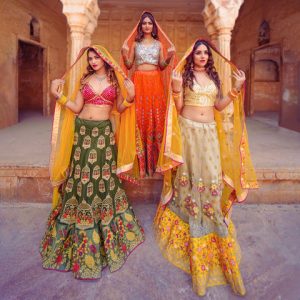
India’s vast geographical expanse translates into a rich tapestry of regional styles. Each region boasts its unique garments, fabrics, and embellishments:
- North India: Known for its rich embroidery traditions, North India features heavily embellished lehengas, kurtas with intricate chikankari work, and vibrant phulkari dupattas. Woolen shawls, like pashminas, add warmth and elegance.
- South India: South Indian fashion is characterized by its vibrant colors and use of silk sarees. Kanjeevarams from Tamil Nadu, Kasavu sarees from Kerala, and Ilkal sarees from Karnataka are renowned for their intricate weaving techniques and rich textures.
- West India: Gujarati fashion features colorful ghagras and cholis adorned with intricate mirror work. Bandhani, a tie-and-dye technique, adds a playful touch to sarees and dupattas.
- East India: East Indian fashion showcases the exquisite weaving tradition of Bengal. Silk sarees with intricate zari work and floral motifs are a hallmark of the region. Jamdani sarees from West Bengal are known for their lightweight and airy feel.
Beyond Tradition: The Rise of Modern Indian Fashion
While tradition remains a cornerstone of Indian fashion, the contemporary scene is brimming with innovation and experimentation. Indian designers are pushing boundaries, blending traditional techniques with modern silhouettes and global influences.
- Fusion Wear: This trend seamlessly merges traditional Indian elements with Western styles. Think sarees with asymmetrical cuts, dhoti pants paired with crop tops, and kurtas with jacket-like structures.
- Sustainable Practices: A growing number of designers are embracing eco-friendly practices, utilizing organic fabrics, natural dyes, and upcycled materials.
- Global Recognition: Indian fashion is making its mark on the international stage. Indian designers are showcasing their work at prestigious fashion weeks, and Indian celebrities are turning heads on red carpets around the world.
Beyond the Garments: Embellishments and Accessories
Indian fashion extends beyond just clothing. A variety of embellishments and accessories play a crucial role in completing the look:
- Jewelry: Indian jewelry is renowned for its intricate craftsmanship and bold designs. Gold, silver, precious stones, and kundan work are commonly used. From statement necklaces and earrings to delicate nose rings and anklets, jewelry adds a touch of opulence and cultural significance.
- Bindis: This decorative dot worn on the forehead is a significant element of Indian fashion, symbolizing marital status and cultural identity. Bindis come in a variety of colors, designs, and sizes.
- Mehndi (Henna): The intricate art of henna painting on hands and feet is a customary adornment, particularly during festivals and weddings.
- Footwear: From ornate sandals and embellished juttis to comfortable kolhapuris, Indian footwear adds a touch of style and cultural flair.
Dressing for Every Occasion: A Celebration of Indian Fashion’s Versatility
Indian fashion caters to a multitude of occasions, each demanding a unique approach. Here’s a glimpse into how clothing choices adapt to different events:
- Everyday Wear: Comfort reigns supreme in everyday Indian wear. Cotton kurtas for men and women paired with salwar pants or comfortable churidars are popular choices. Lighter sarees made from cotton or georgette are also favored for their breathability.
- Festivals: Indian festivals are a riot of color and vibrancy. Women adorn themselves in brightly colored sarees, lehengas, and salwar kameez sets, often adorned with intricate embroidery or mirror work. Men opt for festive kurtas in rich colors and fabrics like silk or brocade. Headscarves and turbans add a touch of cultural significance.
- Weddings: Indian weddings are a spectacle of opulence and grandeur. Brides traditionally wear heavily embellished lehengas in red or gold, symbolizing prosperity and good luck. Grooms wear elaborate sherwanis with ornate embroidery and handcrafted details. Guests dress in their finest attire, with women opting for sarees in rich fabrics and men choosing elegant kurtas or sherwanis.
- Formal Events: For formal occasions, Indian fashion offers a sophisticated and contemporary twist. Women can choose from tailored sarees with clean lines and minimal embellishments or elegant gown-style lehengas. Men opt for well-tailored suits with a hint of Indian flair, perhaps through a patterned tie or a pocket square featuring traditional motifs.
The Future of Indian Fashion: A Blend of Heritage and Innovation
The future of Indian fashion looks back with respect for its rich heritage while embracing innovation and global influences. Here are some exciting trends to watch:
- Sustainability: As environmental consciousness grows, expect to see a rise in eco-friendly practices. Designers will utilize organic fabrics, natural dyes, and upcycled materials to create sustainable and stylish garments.
- Craft Revival: There’s a growing interest in reviving traditional weaving and embroidery techniques. Expect to see age-old crafts like chikankari, bandhani, and zari work incorporated into modern designs.
- Gender Fluidity: Lines are blurring when it comes to gender norms in fashion. Expect to see more designers creating unisex garments and experimenting with traditionally gendered silhouettes.
- Tech Integration: Technology is finding its way into Indian fashion. Smart fabrics, interactive designs, and personalized experiences are all on the horizon.
A Fashion Mosaic: A Final Word
Indian fashion is a vibrant tapestry woven with threads of tradition, innovation, and cultural diversity. It’s a celebration of color, craftsmanship, and personal expression. Whether you’re drawn to the timeless elegance of a saree or the contemporary flair of fusion wear, Indian fashion offers something for everyone. So, delve into this enchanting world, explore its rich history and diverse styles, and discover the perfect outfit to express your unique sense of self.